
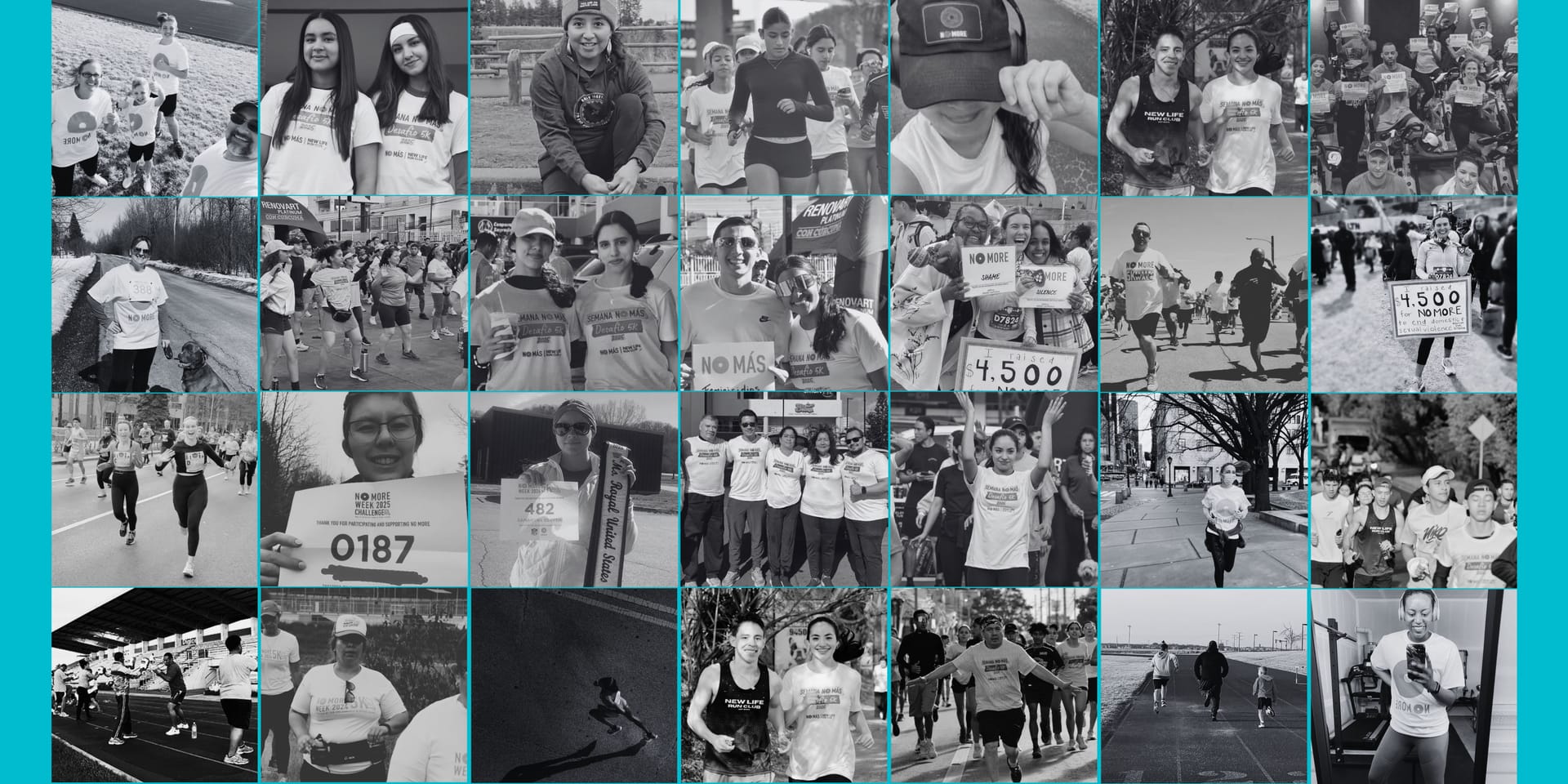
NO MORE Week 2026: Small, Practical Ways Our Community Can Support Survivors
In early March, communities across the UK will mark NO MORE Week (2–8 March 2026)—a national moment to say “no more” to domestic abuse and sexual violence, chal...
In early March, communities across the UK will mark NO MORE Week (2–8 March 2026)—a national moment to say “no more” to domestic abuse and sexual violence, challenge harmful myths, and share clear routes to support.
At Time to Heal, we know awareness matters most when it turns into practical, compassionate action. Many survivors live with fear, isolation, and uncertainty—especially when abuse is not visible. This week is a chance for all of us to learn what to look for, how to respond safely, and how to help someone take the next step.
Domestic abuse isn’t always physical
Domestic abuse can include coercive control, intimidation, monitoring, financial restriction, humiliation, and threats. It can happen in any relationship and any community. Survivors may be managing daily life while carrying an invisible weight—trying to stay safe, protect children, keep housing, or avoid escalation.
If you’re unsure whether something “counts,” a helpful rule of thumb is this: if someone feels afraid, controlled, or constantly walking on eggshells, it matters.
What to say (and what not to say)
If someone hints at abuse or shares what’s happening, the most powerful thing you can offer is a calm, steady response.
- Say: “I’m glad you told me.”
- Say: “I believe you.”
- Say: “You don’t deserve this. How can I support you right now?”
- Avoid: “Why don’t you just leave?” (Leaving can be the most dangerous time.)
- Avoid: “Are you sure?” or “But they seem so nice.” (Abuse often happens behind closed doors.)
Five small actions that make a real difference
You don’t need to be an expert to be helpful. Here are simple, safe ways to show up for survivors during NO MORE Week—and beyond.
- Learn the signs of coercive control. Patterns matter more than single incidents: isolation, jealousy framed as “love,” constant checking, controlling money, or limiting contact with friends/family.
- Offer practical support. This might be childcare for an appointment, a lift to a safe place, or help sorting paperwork. Ask what feels helpful and safe.
- Be careful with digital safety. Don’t message about abuse if the person’s phone might be monitored. Let them choose the safest method and time to talk.
- Share support information quietly. A discreet note, a private conversation, or signposting to local services can be safer than posting publicly or sending links unasked.
- Stay connected. Abuse thrives in isolation. A simple “Thinking of you—no need to reply” can remind someone they are not alone.
If you are experiencing abuse
If any of this feels familiar, please know: you are not to blame, and support is available. You deserve safety, dignity, and a life that feels like your own.
When you’re ready, you can reach out to a trusted friend, your GP, or a specialist service. If you are in immediate danger, call 999.
How Time to Heal can help
We offer a supportive, trauma-informed space where you can be heard, believed, and supported at your pace. Healing is not linear, and you don’t have to do it alone.
If you’d like to talk, learn about our services, or ask a question, please contact us through our website. If you’re a friend, colleague, neighbour, or professional looking for guidance on how to support someone, we’re also here to help you respond with care.
This NO MORE Week, let’s choose connection over silence—and practical kindness over assumptions. One conversation, one safe referral, one steady person can change a life.